Launched in 2017 by the King Abdulaziz Center for World Culture (Ithra) in collaboration with Art Dubai, the prize is awarded to emerging Saudi and Saudi-based talent in contemporary art to fund, promote and offer Saudi artists a global platform.

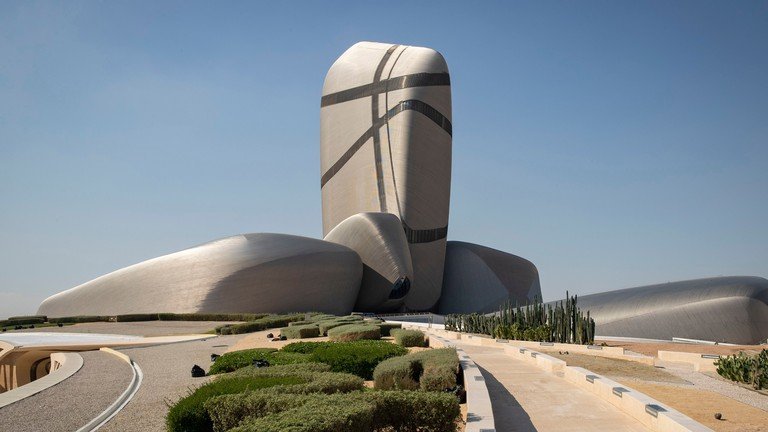
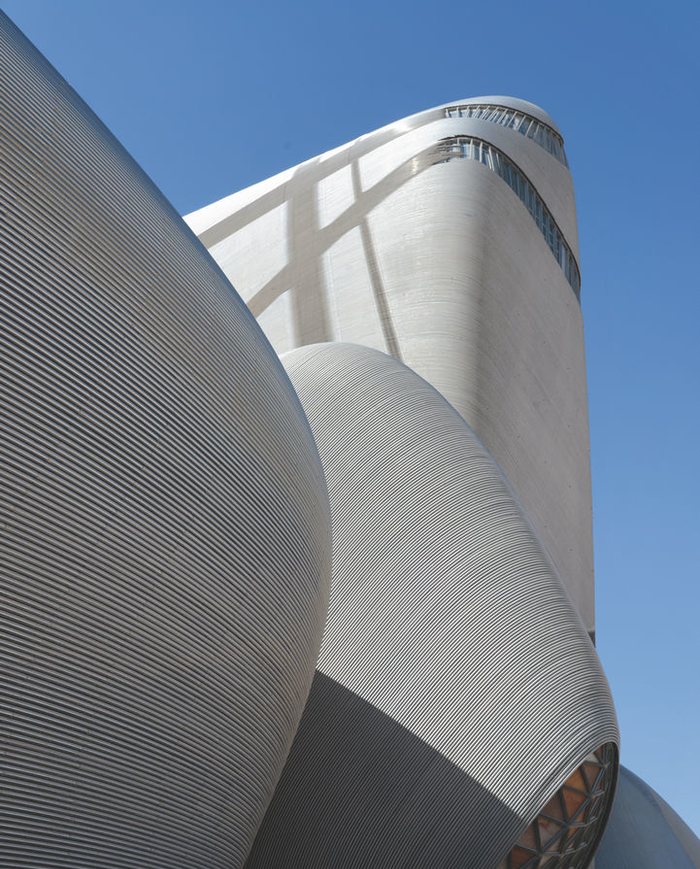
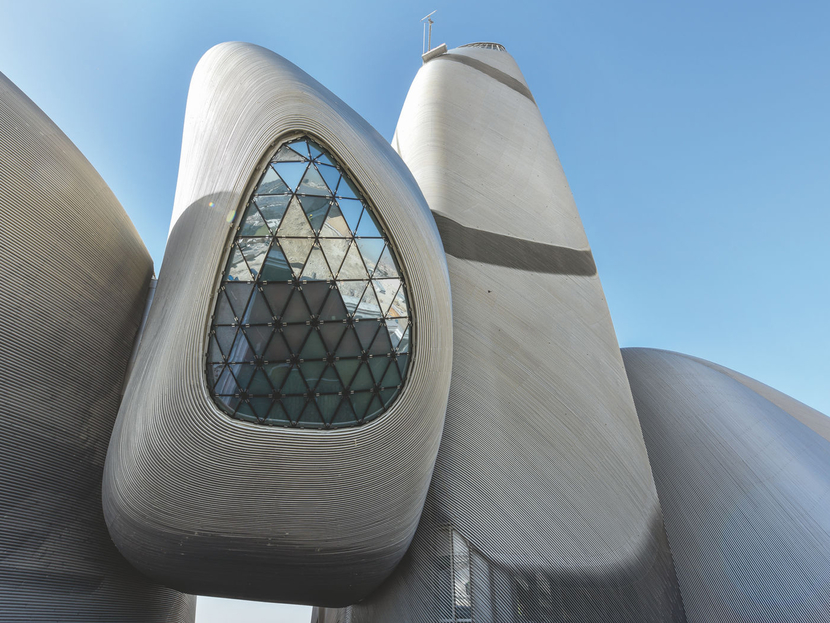
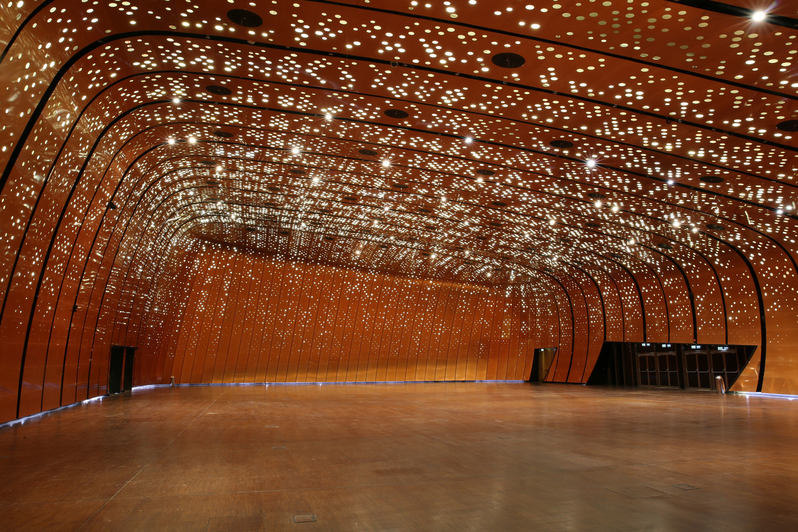
Designed by Norwegian architects Snohetta, the King Abdulaziz Centre for World Culture, or Ithra, is a stunning feat of engineering. Composed of five buildings, the structure houses a library, Idea Lab, the Ithra theatre, a cinema (a feature virtually unheard of before 2018), a museum with four galleries, and an immersive energy exhibit. It also features an archive collection, and an expansive 1,600 square-metre Great Hall.
Saudi Aramco is also the developer of one of the largest residential compounds in Saudi Arabia, located just a few minutes’ drive from where Ithra now stands. So, the initiative was personal.
“They thought ‘what is better than to invest in people?’ Human capital,” Alrashid explains. “With that came the idea of establishing a cultural center that would accelerate the kingdom’s transformation towards a knowledge-based economy – and one that would be inclusive for every individual of the community.”
Known for such alluring projects as the first underwater restaurant in Europe and the upcoming Shanghai Grand Opera House, Snohetta (which has offices around the globe) was chosen to lead the design, inspired by the region’s cultural landscape and heritage. “There were a lot of challenges in the engineering of it,” said Nasir, “but symbolically, abstractly, the firm had a good understanding of the design.”
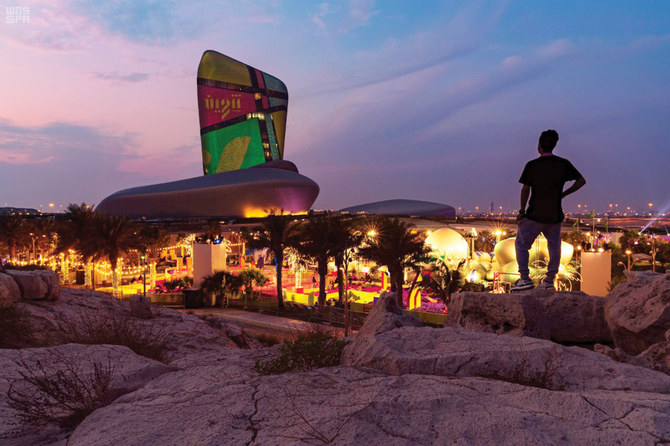
With ground-breaking taking place in 2010, many components of the project in the beginning were still being refined (the cinema, for example, would be introduced later), and the design was being developed as it went along.
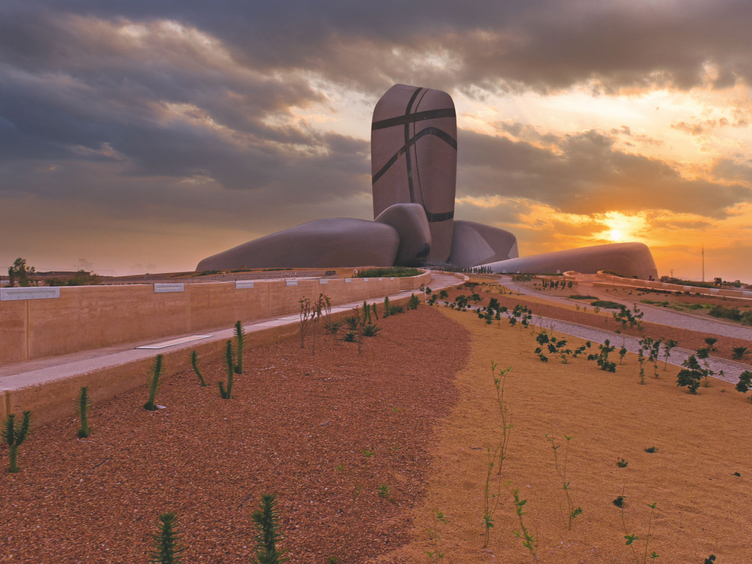
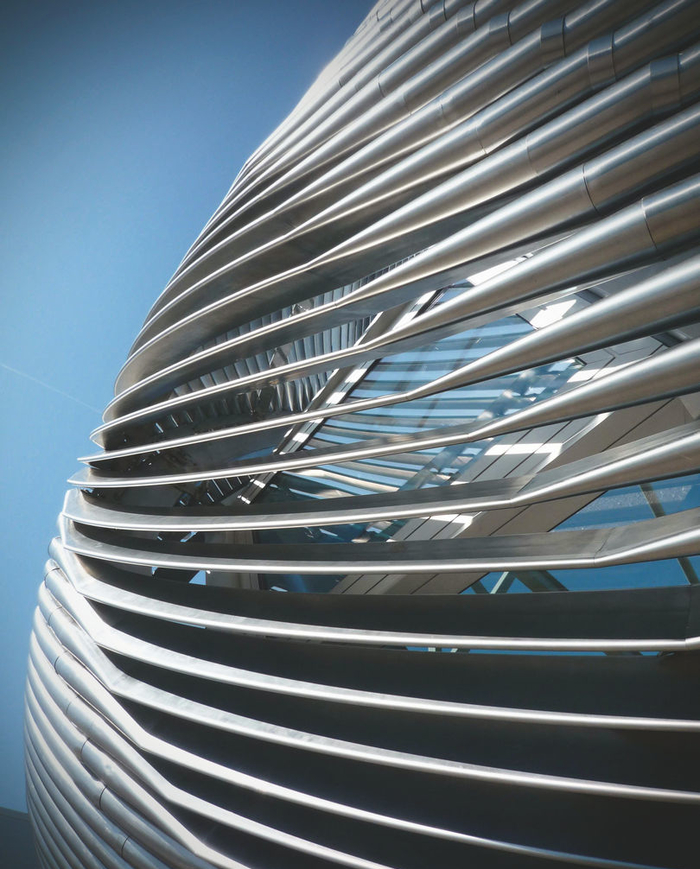
“A lot of inspiration was taken from Islamic architecture, believe it or not,” Nasir says. “The rammed earth for instance – seen throughout the interior of the center, and especially in the atrium and near the Great Hall – is based on the old, traditional architecture in the region, like mud brick houses,” he explains. “The steel tubes on the building’s exterior also took inspiration from the concept of Mashrabiya screens, allowing light to come through while providing shade,” he says.
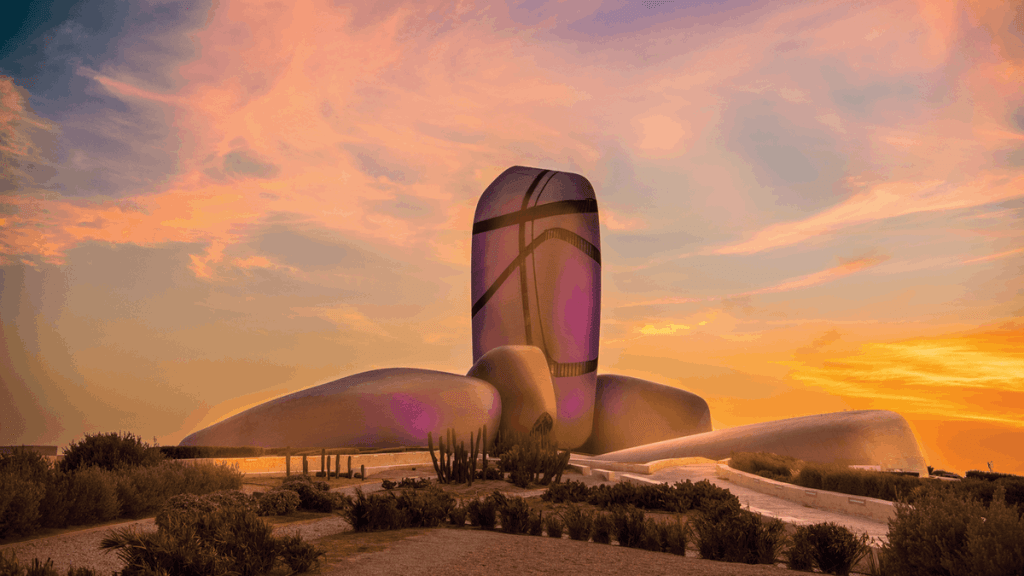
Ithra is also a paradigm of sustainable architecture, achieving LEED (Leadership in Energy and Environmental Design) gold certification for its use of sustainable materials and design. “The Xeriscape is one major contributor to achieving this goal,” says Nasir referring to a type of landscape design that employ low-water-use or drought-tolerant plants. “The desert plants require less water and fit the surroundings. It was used here for the first time in the kingdom’s history.”
Previous Ithra Art Prize winners are Sharjah-based conceptual artist Ayman Zedani whose commission, Meem, was exhibited at Art Dubai in 2018 and, London-based Saudi Arabian artist, Daniah Alsaleh, whose large-scale multimedia installation, Sawtam, was unveiled at Art Dubai 2019 and is currently part of ‘Artificial Intelligence and Intercultural Dialogue Art Exhibition’ at the Hermitage Museum in St. Petersburg, Russia.
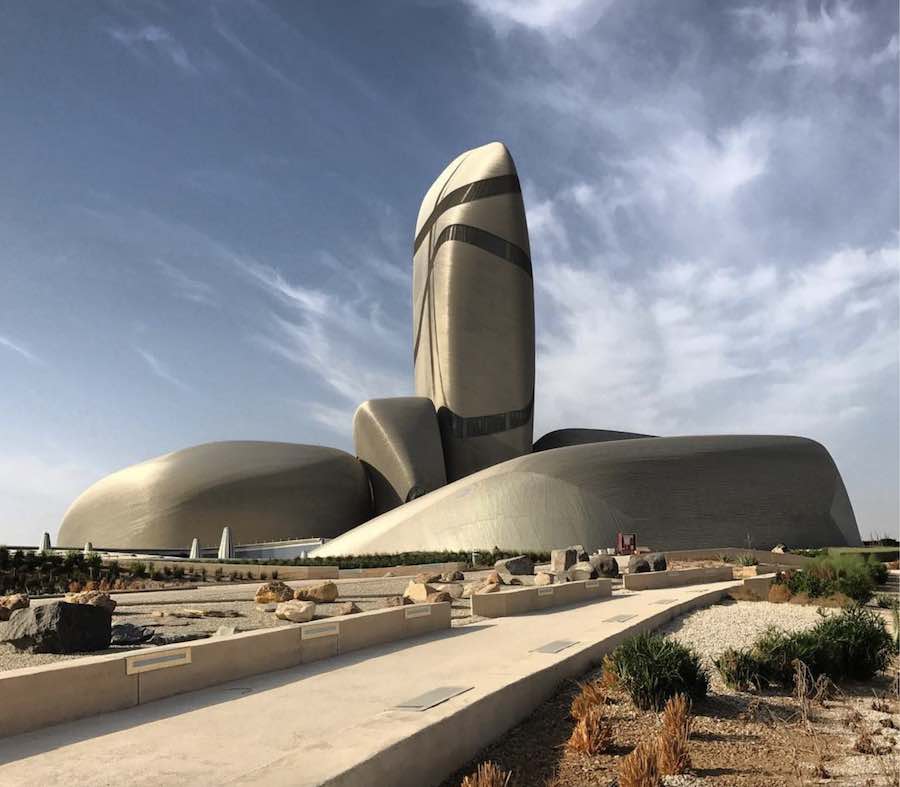
In the end, what Ithra truly represents is a transformative era for Saudis, and one for a regional youth that is ready for a shift. “We needed this vision to materialize within an architectural landmark,” Alrashid adds. “And one that somehow embodies what we represent – change.”
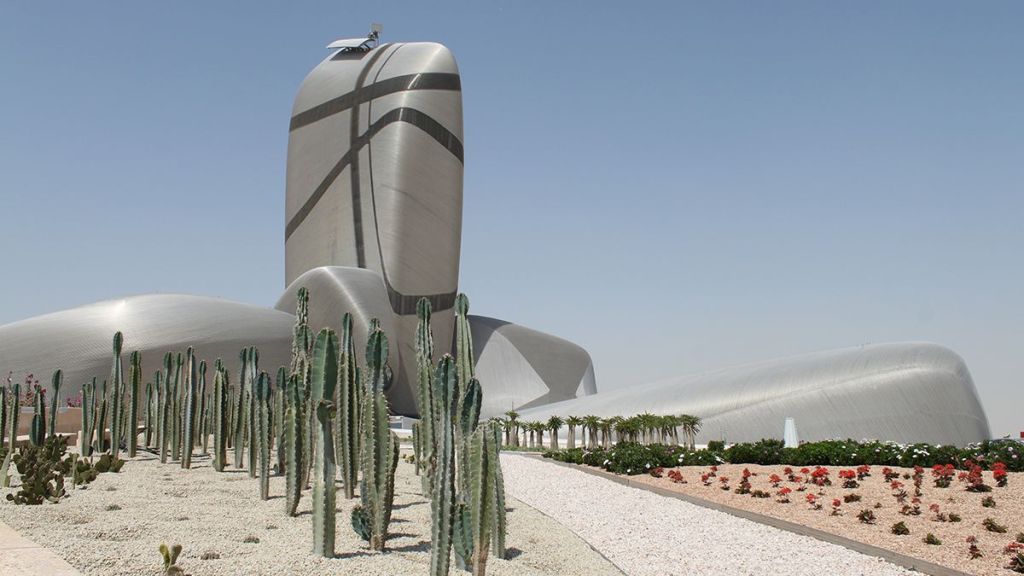
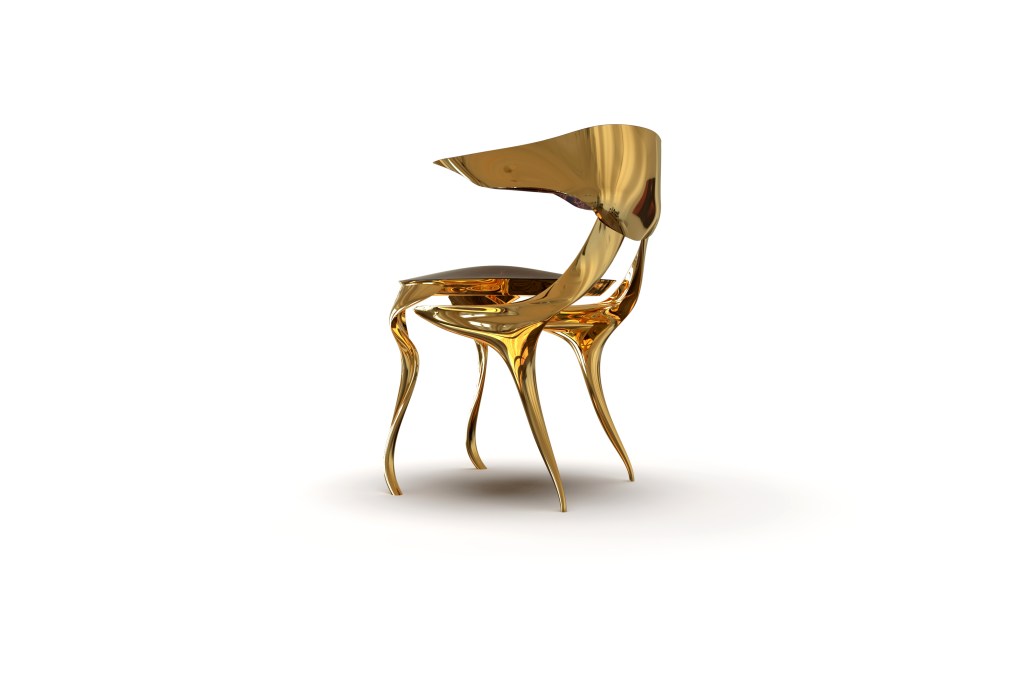
A beautiful architecture that remenbers our Abu Dhabi Chair from Crete Luxury
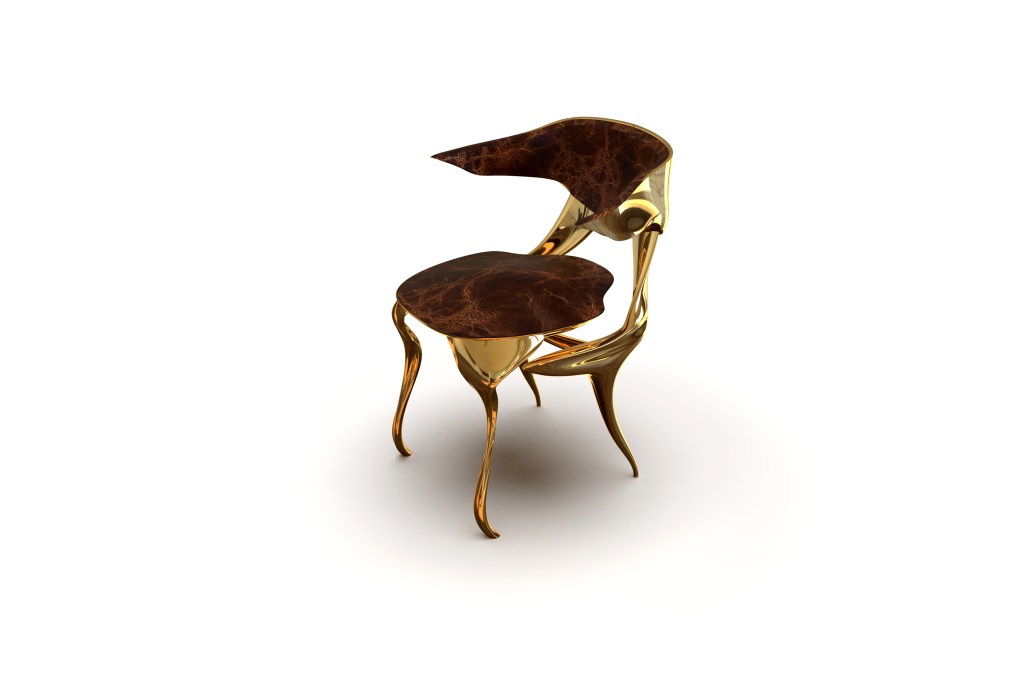
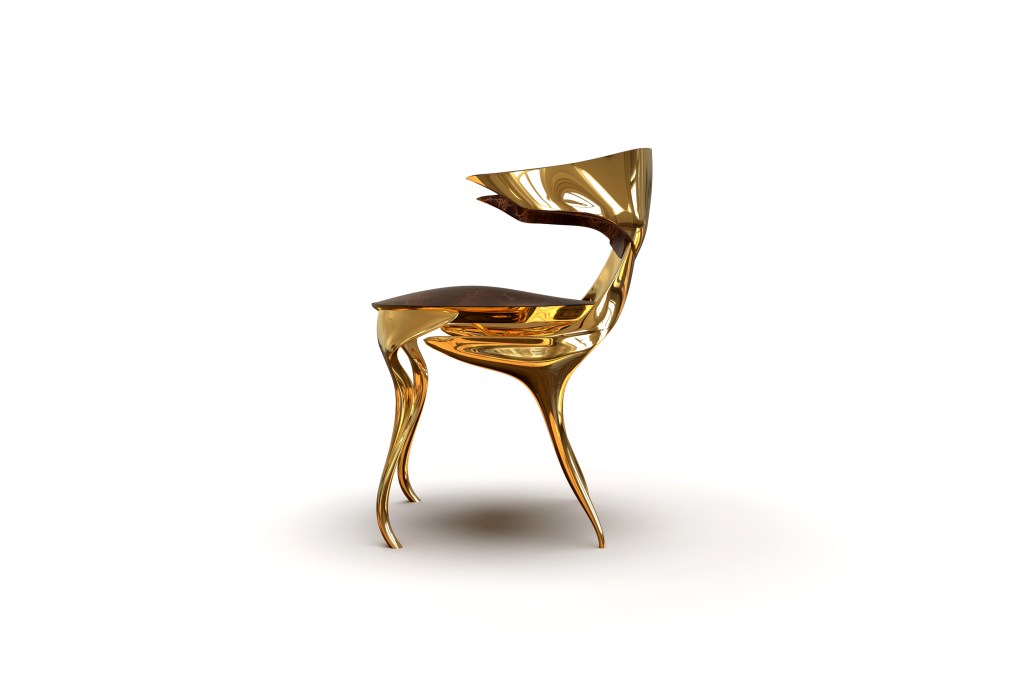
To know more about our brand click: Here
 creteluxuryart.design.blog